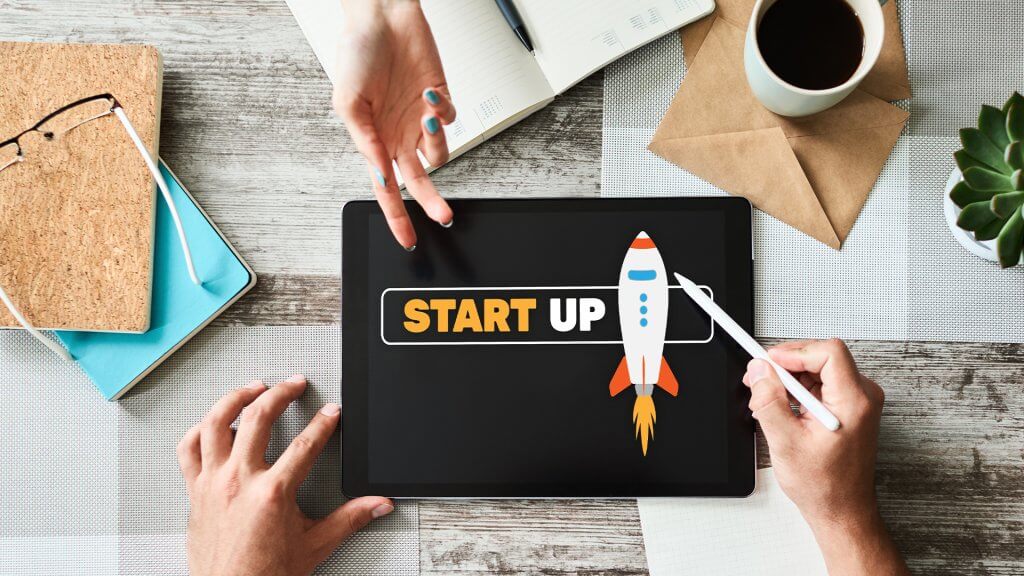




For a growing SME, the decision to seek outside marketing help is often the first major step toward scaling. However, the agency landscape can be confusing, particularly when choosing between a traditional marketing agency and a modern digital agency. Understanding the core differences is essential for ensuring your investment aligns with your specific business goals, whether you need a complete brand overhaul or targeted online leads.
Marketing Agency: The Big Picture Strategists
A traditional or full-service marketing agency focuses on the overall brand strategy and position. They look at the big picture, often integrating both online and offline channels to craft a cohesive, long-term narrative for your business.
Marketing Goals That Align With a Marketing Agency
- Brand Definition: You are launching a new product, or your current brand identity feels weak, inconsistent, or outdated.
- Integrated Strategy: You need a single plan that seamlessly links your physical advertising (e.g., print, events) with your online efforts.
- Market Insight: You require in-depth market research, competitor analysis, and help defining your unique selling proposition (USP).
Typical Services Offered
- Market Research and Analysis
- Brand Strategy, Messaging, and Positioning
- Creative Direction (logos, visual identity)
- Public Relations (PR) and Media Outreach
- Overall Campaign Planning (including print and event support)
Digital Agency: The Online Performance Specialists
A digital agency, by contrast, is laser-focused on online channels and performance metrics. Their expertise lies in the technical execution of campaigns within the digital ecosystem. They specialise in the tools, platforms, and data that drive measurable online traffic, conversions, and sales.
Marketing Goals That Align With a Digital Agency
- Online Performance: You need more immediate, measurable results, such as generating online leads or boosting e-commerce sales.
- Technical Execution: You have a brand strategy but need specialist help in technical areas like search engine optimisation (SEO) or paid advertising.
- Website Optimisation: Your website is underperforming, and you need design, development, or conversion rate optimisation (CRO) expertise.
Typical Services Offered
- Search Engine Optimisation (SEO) and Pay-Per-Click (PPC) Advertising
- Website Design, Development, and Maintenance
- Social Media Marketing and Management (including paid ads)
- Email Marketing Automation
- Performance Analytics and Reporting
Where the Lines Blur: The Hybrid Model
Today, the distinction between the two agency types is often blurred. Many traditional marketing agencies now have robust digital departments, and many digital agencies offer high-level strategy. For many SMEs, a hybrid agency that offers both strategic planning and specialist digital execution might be the most practical solution.
Choosing the Right Partner for Your SME
The optimal choice depends less on the agency’s name and more on your business’s most urgent needs and internal capabilities.
| Your Situation | Recommended Agency Focus | Why? |
| “We don’t know who we are or who to talk to.” | Marketing Agency | They will define your fundamental brand and messaging first. |
| “Our website gets traffic, but no one buys anything.” | Digital Agency | They can apply technical expertise (CRO, PPC) for great results. |
| “We need someone to manage our entire marketing function.” | Hybrid/Full-Service Marketing Agency | They can provide the necessary strategic oversight and diverse execution skills. |
| “We just need to rank higher on Google for our key products.” | Digital Agency | This is a highly technical, channel-specific task (SEO). |
“For SMEs, the critical question isn’t ‘Digital or Marketing?’, it’s ‘What is my greatest bottleneck to growth?'” advises Surrey web design agency, Full Stack Industries. “If your message is wrong, hire a marketing agency first. If your message is right, but not enough people are seeing it, then a digital agency will deliver the performance execution you need to scale.”
By clearly defining your internal gaps and objectives, your SME can move beyond confusing labels and select a partner that provides the right blend of strategy and execution to drive real, measurable commercial success.