

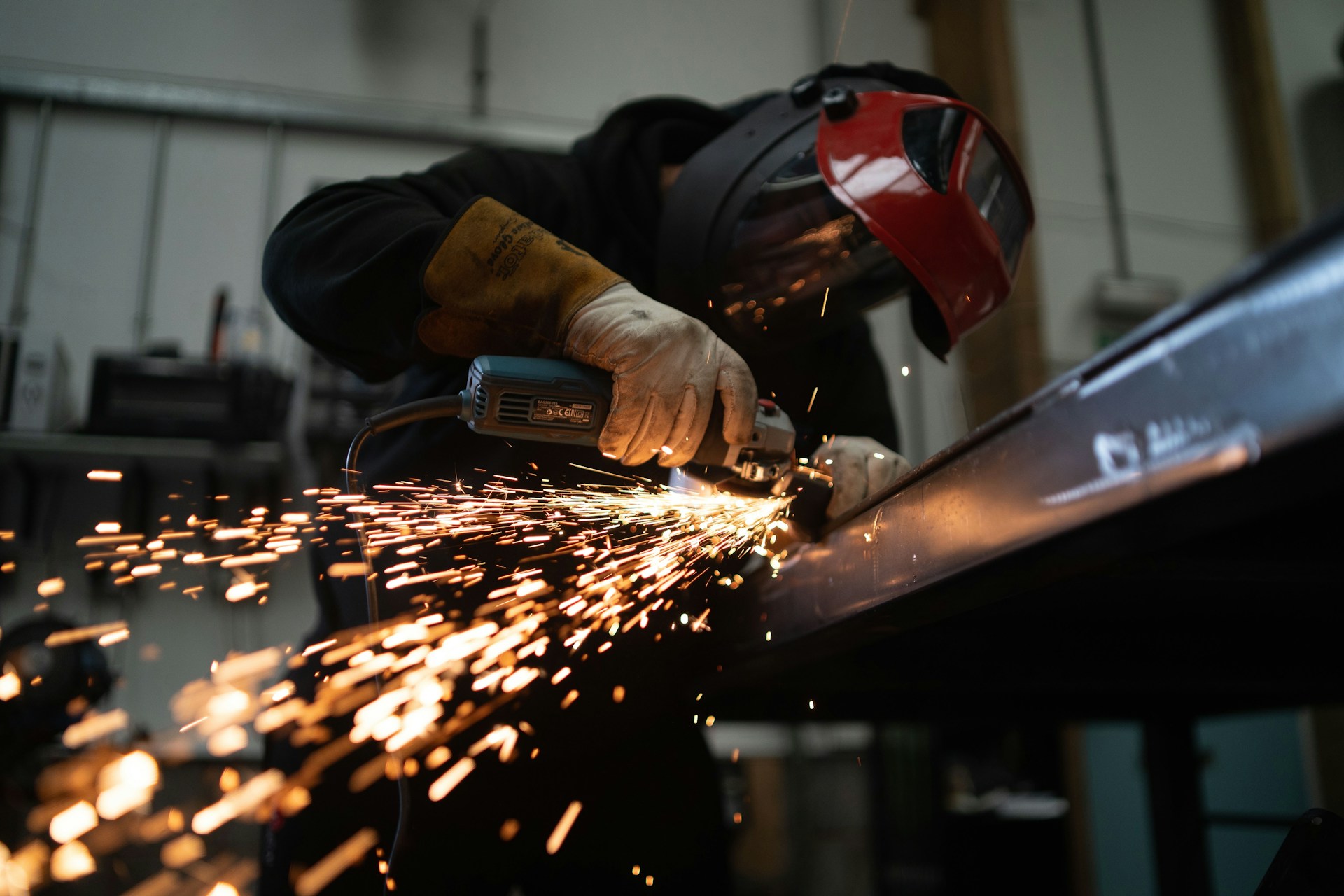



The global manufacturing landscape is changing faster than ever. Every production floor, from automotive plants to small workshops, is striving to achieve greater precision, lower waste, and faster turnaround times. New tools and connected systems are making that possible.
In the first quarter of 2025, global manufacturing production rose by 1.3% and exports by 1.4%, according to the UNIDO. This growth reflects the ongoing strength of innovation in enhancing productivity worldwide.
Still, manufacturers face familiar challenges: fluctuating material costs, skill shortages, and rising sustainability demands. This article explores how technology is helping industries modernize operations, improve efficiency, and prepare for a more agile and competitive future.
The Shift Toward Smart Manufacturing
Factories today are more than mechanical setups. They are intelligent systems built around data, automation, and connectivity. The concept of “smart manufacturing” focuses on making every part of production measurable and controllable.
Imagine a workshop where machines detect issues before they happen, or production schedules automatically adjust when materials run late. This is not a vision of tomorrow—it’s happening today.
Even smaller manufacturers are adopting these changes through affordable IoT tools and smart sensors. These solutions allow them to track equipment health, plan maintenance, and reduce downtime. The outcome is consistent production, improved safety, and stronger profitability.
Precision Tools Powering Modern Production
In modern manufacturing, every small detail counts. A single inaccurate cut or misalignment can affect product quality and increase waste. That’s why companies are focusing on precision tools that make each process faster, cleaner, and more consistent. These systems not only improve results but also reduce manual effort and downtime.
Advanced equipment, such as a plasma cutter, is a prime example of how technology enhances accuracy and efficiency in metal fabrication. It allows operators to handle various materials with clean, reliable cuts that minimize rework.
Many technology innovators, including those at Hypertherm, are shaping the next generation of cutting systems that deliver faster performance with lower operating costs. Their continuous improvements in design and control enable manufacturers to maintain high-quality standards across various production settings. These innovations demonstrate how precision-driven tools are helping to build a more adaptable and sustainable manufacturing future.
Automation and Human Collaboration
There’s a common concern that automation could replace workers. In reality, it’s helping them do more with less effort. Machines handle repetitive or physically demanding jobs, while people focus on problem-solving and innovation.
For example, collaborative robots—or cobots—are now assisting technicians with assembly, welding, and quality inspection. This not only improves safety but also increases speed without sacrificing accuracy.
Think about it: would you rather spend hours tightening the same bolts, or oversee systems that handle complex operations automatically? When humans and machines work together, productivity rises, and employees gain valuable new skills in digital operations.
Data-Driven Insights for Predictive Operations
Data has become one of the most valuable assets in the manufacturing industry. With connected devices and monitoring tools, factories can now interpret real-time performance information.
Predictive maintenance alerts operators before breakdowns occur. This prevents production delays and reduces the need for emergency repairs. A medium-sized machinery plant that introduced sensor-based maintenance reduced equipment downtime by almost 30% within a year.
When decisions are guided by data rather than guesswork, production lines become smoother and more reliable. Predictive systems give managers visibility into what’s happening at every level of the process, creating a foundation for long-term stability.
Sustainability and Energy Efficiency in Modern Plants
Efficiency now includes environmental responsibility. Manufacturers everywhere are finding ways to balance output with sustainability goals. Cleaner production methods not only reduce emissions but also lower operational expenses.
Examples of smart changes include:
- Reusing waste heat from furnaces to power nearby equipment.
- Implementing solar systems or renewable power sources.
- Installing energy-smart drives that cut consumption by up to 20%.
Even modern cutting systems are designed to use fewer consumables and less power. By combining precision with eco-conscious design, the manufacturing industry is demonstrating that productivity and sustainability can coexist.
The Future of Manufacturing: Intelligent Integration
The next era of industrial progress lies in integrating smart tools with advanced software. Artificial intelligence, digital twins, and cloud-based systems are transforming how factories think and respond.
Imagine a production model that tests every workflow virtually before a single part is made. Or a supply chain that automatically adjusts to new demand. These intelligent systems are turning traditional plants into self-optimizing networks.
For small and mid-sized businesses, the benefit lies in scalability. Technology can start with simple automation and expand into full digital control as operations grow. Companies that adapt early will stay competitive as the market continues to evolve.
Conclusion
Technology has become the driving force behind global industrial progress. From automated tools to predictive analytics, every innovation helps industries work smarter and deliver better results. The real transformation occurs when manufacturers align their skills, data, and technology toward a shared goal of progress. Those who adopt these changes today will be better equipped to face the challenges and opportunities that define the future of production.