





Most small and mid-sized businesses run on a patchwork of spreadsheets, shared inboxes and off-the-shelf software that almost fits. It works until the business grows. Then orders get missed, data is entered twice and the one person who understands the master spreadsheet goes on vacation.
Custom software used to be out of reach for smaller firms. Low-code platforms have changed that. Before choosing one, it pays to ask the right questions.
1. Why Are Our Processes Still Running on Spreadsheets?
For most SMEs, the answer is time and budget. Hiring developers to build a custom tool can take months, and IT teams are usually busy keeping existing systems running.
The result is a growing list of workarounds. Each one costs a few minutes a day, and together they slow down the whole operation.
2. What Can a Low-Code Platform Actually Build?
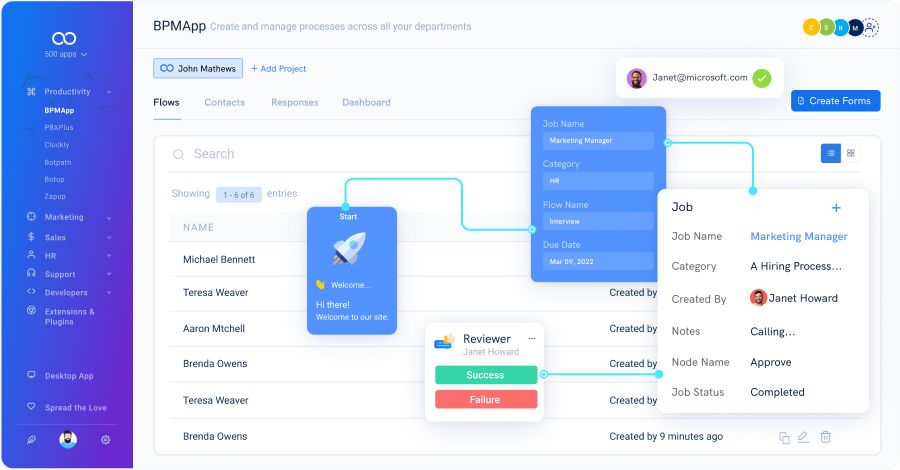
Low-code tools let teams design applications visually instead of writing code line by line. A low code app builder such as Jitterbit App Builder can be used to create:
- Web and mobile apps that work on any screen size
- Order processing, expense management and asset tracking tools
- Apps that read and update data across several existing systems
- Customer and field-service portals
Because these apps connect to the systems a business already uses, they replace the spreadsheet in the middle rather than adding another tool on top.
3. Who on Our Team Can Build Apps?
This is where low-code makes the biggest difference for smaller firms. Business users who know a process best can build or adjust the app themselves, while IT keeps control of security and standards.
Many platforms now include AI assistants. Instead of dragging and dropping every field, a user can describe the app they need in plain language and get a working starting point to refine. Technical staff can still extend apps with custom code when a process calls for it.
4. How Quickly Will We See Results?
Speed is one of the main reasons businesses choose low-code. Jitterbit reports that App Builder customers go live in an average of 1.8 months and reach a return on investment in about 10.5 months.
Real examples show what that looks like in practice. Egg producer Cal-Maine Foods has built 53 applications without code, and sock maker Darn Tough Vermont developed the system that runs its shop floor on the platform.
The best approach for an SME is to start with one painful process, prove the value and then build from there.
5. Will Our Data Stay Secure?
Any app that touches customer or financial data needs strong protection. Before choosing a platform, check that it offers:
- Role-based access controls and security groups
- Single sign-on
- Encryption for data in transit and at rest
- Support for industry compliance requirements
- Monitoring, logs and alerts if something fails
Enterprise-grade security should not be reserved for enterprise-sized companies.
Frequently Asked Questions
Do we need developers to use a low-code platform?
No. Business users can build apps visually or with AI assistance. Developers can still add custom code where a process needs it.
Can low-code apps work with our existing software?
Yes. Most low-code platforms connect to existing databases, business applications and APIs, so new apps can read and update data in the tools you already use.
Where can low-code apps be hosted?
Options typically include the vendor’s cloud, your own cloud environment or on-premises servers, depending on your security and compliance needs.
A spreadsheet is a fine place to start a process, but it is rarely the right place to run one long term. For SMEs ready to replace workarounds with purpose-built tools, a low-code platform offers a practical path that does not require a full development team.