





Lidl Launch Turns Mobile into a Retail Engagement Tool

Retail’s relationship with telecoms is entering a more commercially integrated phase. Lidl’s recent move into the mobile market may appear to be a natural extension of its value-led proposition, yet it reflects a shift in how retailers are strengthening customer relationships beyond the store. Here, Hamish White, CEO of telecom software provider Mobilise, explores why retail MVNOs are gaining renewed momentum and what this means for the future of loyalty and customer ownership.
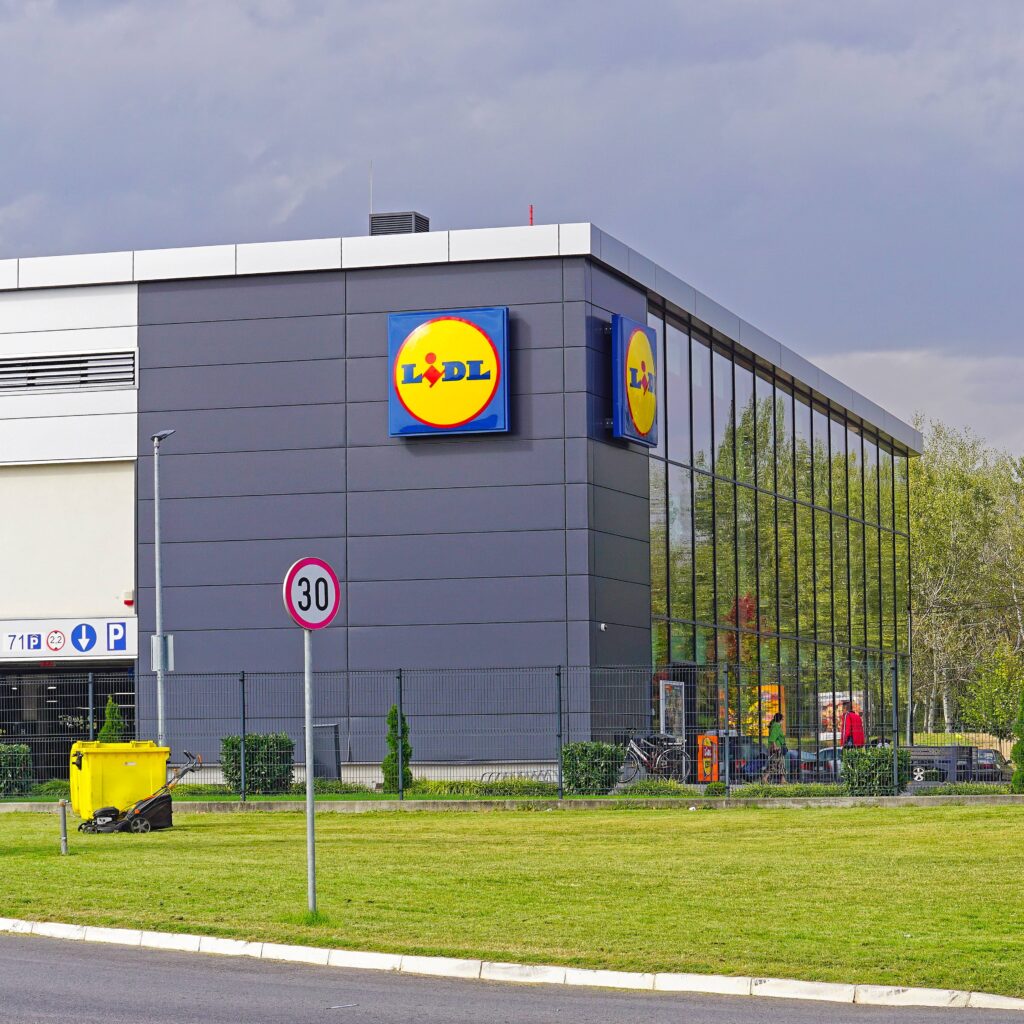
Lidl is not starting from a cold base. With ambitions to expand into as many as 30 markets and more than 100 million customers in its Lidl Plus loyalty app, the retailer already has a direct relationship with customers before it sells them a mobile plan. Its wider footprint of around 12,600 stores across 31 countries also gives it something most new telecom brands lack: regular physical contact with shoppers and a trusted value proposition.
As Julian Beer, Executive Vice President of Purchasing at Lidl International, puts it, the ambition is to “democratise mobile communications” by making services “simple, affordable, and of the highest quality” for millions of customers. This scale allows Lidl to introduce mobile through touchpoints that customers already know, from the Lidl Plus app to its stores, rather than a separate telecom brand.
Lidl is not the only retailer thinking this way. Across Europe, retailers are looking for that keep customers engaged between shops, not only at the checkout. Mobile services align closely with that objective: used every day, creating a recurring relationship and giving loyalty apps another reason to be opened.
From Experiment to Strategy
Retail MVNOs are not new. Early propositions focused on low-cost plans or bolt-on services, with mixed results. Some high-profile attempts, including Mobile by Sainsbury’s, struggled to achieve scale, serving as a useful reminder that brand alone is not enough. If the offer sits apart from the rest of the shopping experience, customers have little reason to choose it beyond price, which is no longer a differentiator in a saturated MVNO market.
Tesco Mobile shows the other side of the story. With more than five million customers, it proves mobile can work for retailers when tied to a familiar brand, clear value and an existing customer base. For retailers, the lesson is straightforward: mobile should not feel like a side quest. It needs to support the wider customer relationship, giving people another reason to stay with the brand between shops. For supermarkets, that might mean linking mobile to rewards, and for other retailers, it could sit alongside membership, delivery, finance, travel or other digital services.
Turning Connectivity into a Retail Advantage
For retailers, the interesting part is not the network itself. It is where the mobile service lives. If a customer can sign up, manage their plan and receive offers in the same app they already use for rewards, mobile starts to feel like part of the retail relationship rather than a separate telecom purchase.
A key enabler is eSIM, a digital SIM that can be activated remotely without a physical card, turning mobile sign-up into a familiar digital transaction: choose the plan, pay for it and activate it in the app. It also removes a lot of the awkward operational work, from stocking SIM cards to helping customers through activation at the till.
There is another layer behind this. Retailers still rely on enabling platforms to support the operational side of a mobile service, including billing, customer onboarding, service provisioning and integration with the underlying network. These capabilities are typically delivered through MVNE platforms, which provide the technical foundation for launching and running mobile services under a retail brand without requiring investment in core telecom infrastructure.
The result is a model where connectivity becomes embedded within the wider retail proposition rather than operating as a standalone telecom service. It can create new touchpoints across the customer journey, support more frequent interaction and give retailers another reason to keep customers inside their digital ecosystem.
This trend is unlikely to remain limited to supermarkets. As retailers invest more heavily in apps, loyalty schemes and service-led propositions, mobile can become another layer through which they differentiate. For telecom operators, this does not remove their role. It changes it. Increasingly, operators may shift toward an infrastructure and enablement role behind consumer-facing retail brands.
Lidl’s move is not just another supermarket mobile launch. It suggests retail MVNOs are entering a more mature and strategically integrated phase, where the real prize is not selling data more cheaply, but embedding connectivity within a broader loyalty and customer engagement strategy.
To learn more about how Mobilise’s HERO® MVNE Platform could support your retail business to launch an MVNO, please get in touch here.