

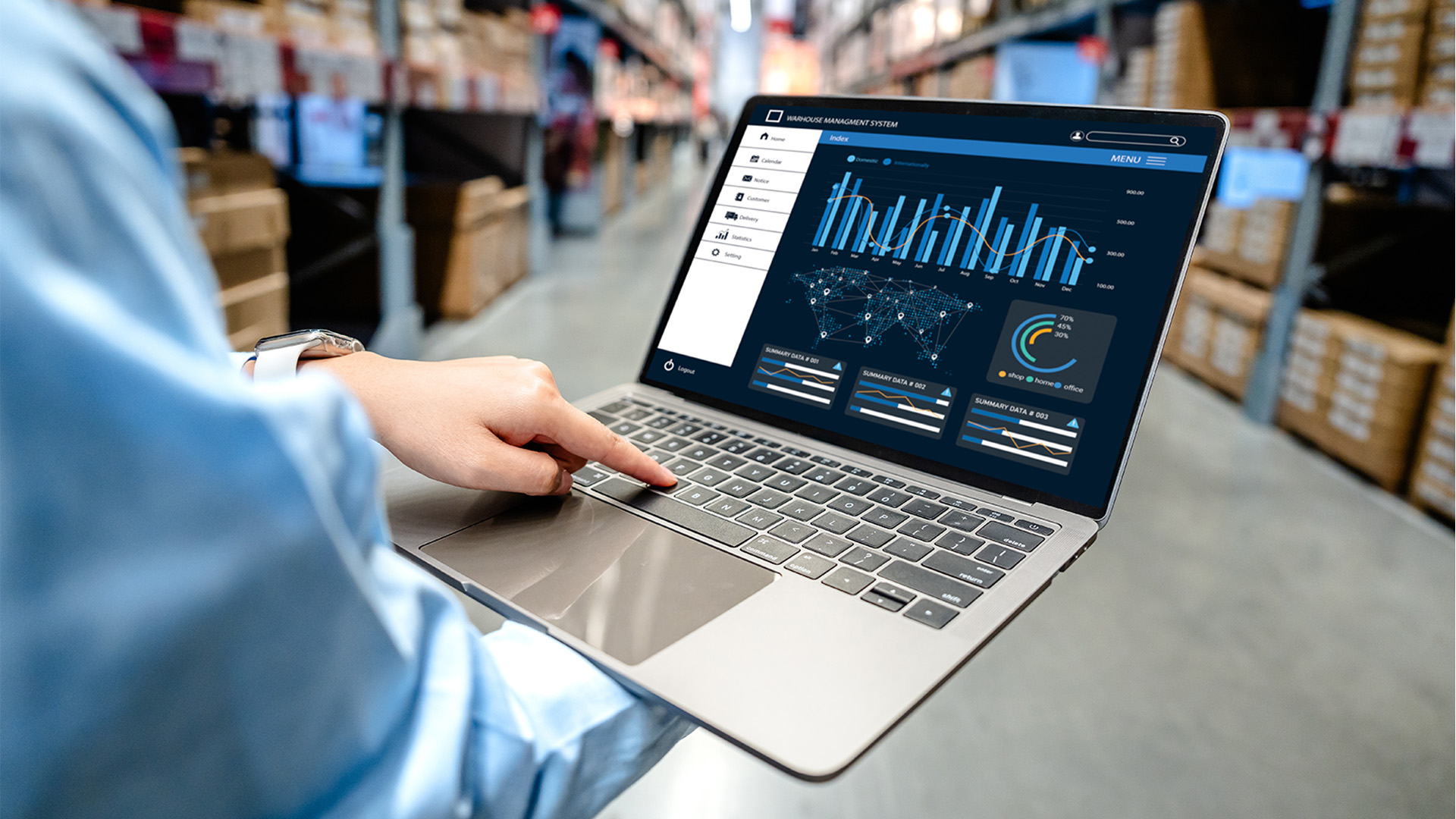



Efficient logistics isn’t just a buzzword – it’s the backbone of profitability and customer satisfaction. For SMEs competing in today’s fast-paced market, technology offers an exciting opportunity for businesses to refine their shipping strategies, reduce costs, and enhance overall cargo efficiency. Moving beyond traditional methods, smart shipping leverages innovation to transform how goods are moved from warehouse to customer, whether that’s air cargo, ocean cargo or otherwise.
The Digital Transformation of Logistics
Historically, managing logistics for an SME could be a labyrinthine task involving manual tracking, extensive paperwork, and reactive problem-solving. The digital revolution has changed this paradigm entirely. Modern logistics software, data analytics, and automation tools are now accessible and affordable for businesses of all sizes, democratising efficiency improvements that were once only available to large corporations.
Key areas where technology is making a difference:
- Optimised Route Planning: Gone are the days of relying on intuition or static maps. Advanced route optimisation software uses real-time traffic data, weather conditions, and delivery schedules to create the most efficient routes. This not only saves fuel and time but also allows for more deliveries per day.
- Inventory Management & Forecasting: Integrated systems track inventory levels with pinpoint accuracy, providing real-time insights into what’s in stock, what’s selling, and what needs reordering. With enough data, predictive analytics can even forecast demand, helping businesses avoid overstocking or stockouts, both of which are costly.
- Enhanced Visibility & Tracking: Customers expect to know where their order is at every step. GPS tracking and integrated dashboards provide end-to-end visibility of shipments, allowing businesses and their customers to monitor progress from dispatch to delivery. This transparency builds trust and reduces customer service enquiries.
Automation: The New Workforce Multiplier
Automation isn’t just about robots in warehouses; it extends to various aspects of the shipping process, significantly boosting cargo efficiency for SMEs.
- Automated Data Entry: Manual data entry is prone to errors and is time-consuming. Automation tools can extract information from orders and populate shipping labels, invoices, and tracking systems automatically, freeing up staff to focus on more strategic tasks.
- Smart Packaging: Technology is even influencing packaging. Smart labels with RFID (Radio-Frequency Identification) tags can provide detailed information about a package’s contents, journey, and even environmental conditions, enhancing security and traceability.
The Power of Data Analytics
Data is the new gold, and in logistics, it’s a powerful tool for continuous improvement. Every shipment, every route, and every delivery generates a wealth of data that, when analysed effectively, can reveal inefficiencies and opportunities for optimisation.
“For SMEs, leveraging data analytics in logistics is a necessity,” say pallet delivery experts Pallet2Ship. “By understanding patterns in delivery times, fuel consumption, and customer feedback, businesses can make informed decisions that lead to significant cost savings and improved service quality. It allows them to proactively address bottlenecks rather than react to problems.”
Embracing the Future
The journey towards smart shipping is an ongoing one, but the initial steps are within easy reach for most SMEs. Start by implementing a robust Transport Management System (TMS) or upgrading to an inventory management system with logistics integration can yield immediate benefits. Cloud-based solutions make these technologies accessible without the need for significant upfront IT infrastructure investments.
Ultimately, smart shipping isn’t about replacing human input entirely; it’s about empowering businesses with the tools to make smarter, faster, and more efficient decisions. By strategically adopting available technologies, small goods-based businesses can not only keep pace with larger competitors but also carve out a significant competitive advantage in the modern marketplace. The future of cargo efficiency for SMEs is undeniably digital, promising a smoother, more profitable path from production to customer.