

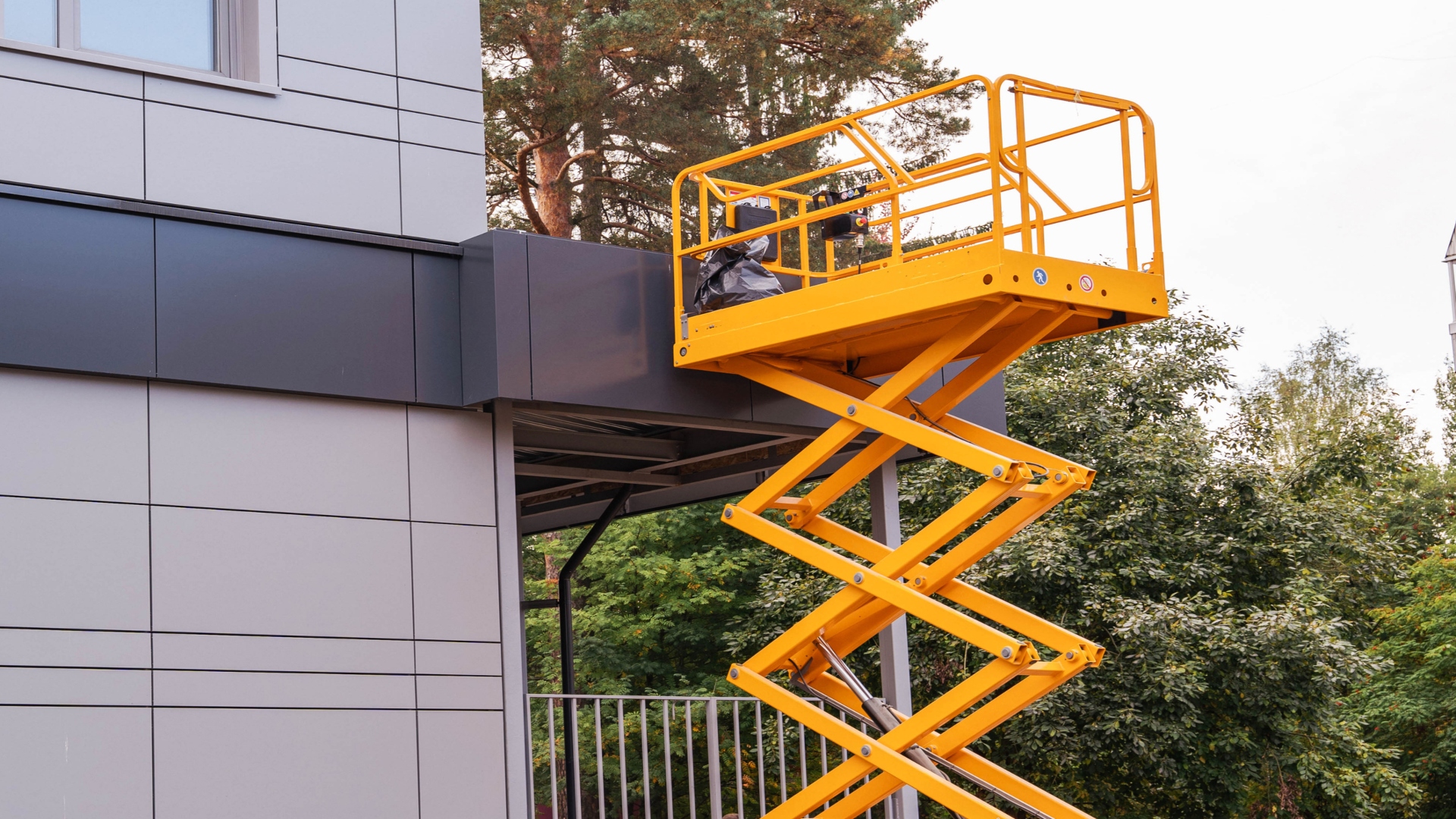



When it comes to indoor facilities maintenance, working safely at height is a daily requirement. From changing lighting and servicing HVAC systems to painting ceilings and carrying out routine inspections, maintenance teams need reliable access equipment that helps them complete tasks efficiently while reducing risk.
For many indoor environments, low-level push-around lifts have become the preferred alternative to traditional ladders and podium steps. Their compact footprint, enclosed working platform and ease of use make them ideal for a wide variety of maintenance applications in offices, schools, hospitals, retail premises, warehouses and public buildings.
Choosing the right push-around lift can significantly improve productivity while ensuring compliance with workplace safety regulations. This guide explores the benefits of low-level push-around lifts from Access Platform Sales, the features to look for, and some of the best options available for indoor facilities maintenance.
Why Choose a Low-Level Push-Around Lift?
Traditional ladders continue to have their place for certain tasks, but they present limitations when maintenance work becomes more frequent or requires greater stability.
Low-level push-around lifts provide a safer and more practical working platform by allowing operators to work within guardrails while keeping tools close at hand. Instead of repeatedly climbing up and down a ladder, maintenance personnel can complete tasks more comfortably and efficiently.
Their advantages include:
- Improved operator safety
- Faster setup than towers or scaffolding
- Compact dimensions for indoor use
- Minimal disruption in occupied buildings
- Reduced manual handling
- Greater confidence when working at height
These machines are specifically designed for relatively low working heights where larger scissor lifts or boom lifts would be unnecessary or impractical.
Ideal Indoor Applications
One of the biggest strengths of push-around lifts is their versatility. They can be used across numerous sectors where indoor maintenance forms part of daily operations.
Typical applications include:
Lighting Maintenance
Changing light fittings in offices, schools, retail stores and warehouses is one of the most common uses for push-around lifts. The stable platform allows technicians to carry tools and replacement fittings safely.
HVAC Servicing
Air conditioning units, ducting, ceiling vents and ventilation systems often require regular inspections. Push-around lifts provide safe access without occupying large floor areas.
Decorating and Refurbishment
Painting, plaster repairs and ceiling work become far easier when operatives can work from a secure platform rather than balancing on ladders.
Cleaning
High-level window cleaning, dust removal, signage cleaning and atrium maintenance are all suitable applications for low-level access equipment.
Electrical Installations
Electricians frequently require safe access to cable trays, lighting systems and ceiling-mounted equipment within commercial premises.
Building Inspections
Routine inspections of sprinkler systems, fire alarms, pipework and structural elements can be carried out quickly using compact access platforms.
What Makes a Good Push-Around Lift?
Not every lift is suitable for every environment. Facilities managers should evaluate several factors before choosing a machine.
Working Height
Working height is usually the first consideration.
Most indoor maintenance tasks require working heights between 3.5 and 6 metres, although some push-around lifts can reach considerably higher where required.
Selecting the appropriate height avoids over-specifying equipment while maintaining safe access.
Compact Design
Indoor maintenance often takes place in confined areas.
The best machines are narrow enough to pass through standard doorways and operate comfortably within corridors, reception areas and narrow aisles.
Compact dimensions also make storage much easier.
Lightweight Construction
Many facilities contain delicate flooring such as vinyl, raised access floors or polished surfaces.
Lightweight lifts reduce floor loading while remaining easy to manoeuvre between work areas.
Simple Operation
One reason these machines remain popular is their straightforward operation.
Many require minimal operator input, while manual or battery-powered lifting systems reduce complexity and allow maintenance staff to get started quickly.
Safe Working Platform
Unlike ladders, push-around lifts provide enclosed platforms with guardrails that help reduce the risk of falls.
Additional safety systems often include:
- Platform overload protection
- Emergency lowering systems
- Tilt sensors
- Non-slip flooring
- Lockable castors
- Automatic braking mechanisms
These features contribute towards safer working practices across indoor environments.
The Best Types of Low-Level Push-Around Lifts
Several styles of low-level access machines are available depending on the work being undertaken.
Manual Push-Around Lifts
Manual lifts are among the simplest options available.
Rather than relying on batteries, they use mechanical lifting systems that require little maintenance while remaining environmentally friendly.
These machines are excellent for:
- Offices
- Schools
- Libraries
- Hospitals
- Museums
- Historic buildings
Their lightweight construction also makes transportation between sites extremely straightforward.
Electric Push-Around Lifts
Electric push-around lifts provide powered elevation while still being manually positioned.
They offer slightly higher working capacities and can often accommodate both an operator and their tools more comfortably.
These are particularly suitable for maintenance teams carrying out multiple jobs throughout the day.
Compact Vertical Personnel Lifts
Vertical personnel lifts remain another excellent option where access is required in extremely restricted areas.
Their slim profile allows them to operate in narrow corridors and between shelving without compromising stability.
Popular Indoor Lift Models
Several models have become widely recognised within the facilities maintenance industry due to their practicality and reliability.
JLG Ecolift
The Ecolift is a manually operated, battery-free push-around lift designed for indoor use.
Its simple mechanical operation keeps maintenance requirements low while providing a safer alternative to ladders.
It is particularly suited to:
- Schools
- Healthcare facilities
- Offices
- Retail environments
JLG Power Tower
The Power Tower introduces electric lifting while maintaining a compact footprint.
Offering a larger platform area, it enables operators to work comfortably with tools and materials.
This model is commonly used for:
- Electrical maintenance
- Ceiling repairs
- Lighting upgrades
- Mechanical servicing
Ability Desksurfer Series
The Desksurfer range provides several working heights, allowing facilities managers to choose equipment tailored to their specific requirements.
The lightweight design makes these machines particularly easy to move between rooms while occupying very little storage space.
Why Indoor Facilities Prefer Push-Around Lifts
Modern facilities managers face increasing pressure to minimise disruption while maintaining safe working environments.
Push-around lifts address many of these challenges.
Quiet Operation
Many indoor buildings remain occupied throughout maintenance activities.
Manual and electric push-around lifts operate quietly, helping reduce disruption for staff, customers, patients and students.
Small Footprint
Large mobile elevating work platforms can be difficult to position indoors.
Push-around lifts require considerably less floor space, allowing work to continue without blocking entire corridors or workspaces.
Reduced Downtime
Quick setup means maintenance teams spend less time preparing equipment and more time completing essential work.
This improved efficiency can reduce overall project times significantly.
Lower Operating Costs
Compared with larger powered access machines, push-around lifts generally require less maintenance and consume little or no energy.
This contributes towards lower lifetime ownership costs.
Important Safety Considerations
Although push-around lifts provide a much safer alternative to ladders, operators should still follow safe working procedures.
Good practice includes:
- Inspecting equipment before use
- Ensuring floors are level and suitable
- Never exceeding the platform’s safe working load
- Keeping both feet inside the platform
- Following the manufacturer’s operating instructions
- Wearing appropriate PPE where required
- Scheduling regular inspections and servicing
Routine inspections under LOLER regulations also help ensure equipment remains safe and compliant throughout its service life.
Choosing the Right Lift for Your Facility
Every building presents unique challenges.
Before purchasing a push-around lift, consider:
Building Layout
Measure doorway widths, corridor dimensions and lift access to ensure equipment can be moved easily throughout the premises.
Working Height Requirements
Avoid purchasing machines with unnecessary height if most maintenance tasks are relatively low-level.
Matching the machine to the task improves both efficiency and cost-effectiveness.
Frequency of Use
Facilities carrying out daily maintenance may benefit from electric models, while occasional users could find manual lifts more economical.
Surface Conditions
Most push-around lifts perform best on smooth indoor flooring.
Where uneven terrain exists, an alternative access platform may be more appropriate.
Future Maintenance Needs
Selecting equipment supported by readily available servicing, inspections and replacement parts helps maximise uptime and extend operational life.
The Future of Indoor Access Equipment
Facilities management continues to evolve alongside changing workplace expectations.
Modern buildings demand equipment that is compact, environmentally conscious and capable of operating safely in occupied environments.
Manufacturers are responding with increasingly lightweight machines, improved battery technology, enhanced safety systems and ergonomic designs that make maintenance tasks simpler than ever.
As organisations continue to prioritise health and safety, low-level push-around lifts are likely to replace ladders for many routine maintenance tasks, delivering greater productivity while significantly reducing the risks associated with working at height.
Conclusion
Low-level push-around lifts have transformed the way indoor maintenance is carried out across commercial, educational, healthcare and public sector buildings.
Their combination of safety, manoeuvrability, efficiency and compact design makes them an excellent investment for facilities managers seeking practical alternatives to ladders and scaffolding.
Whether carrying out routine lighting maintenance, servicing HVAC systems, completing refurbishment projects or undertaking regular inspections, choosing the right push-around lift can improve productivity, reduce downtime and create a safer working environment for everyone involved.
By carefully assessing working height, platform size, manoeuvrability and maintenance requirements, organisations can select equipment that meets both their operational needs and long-term safety objectives.