



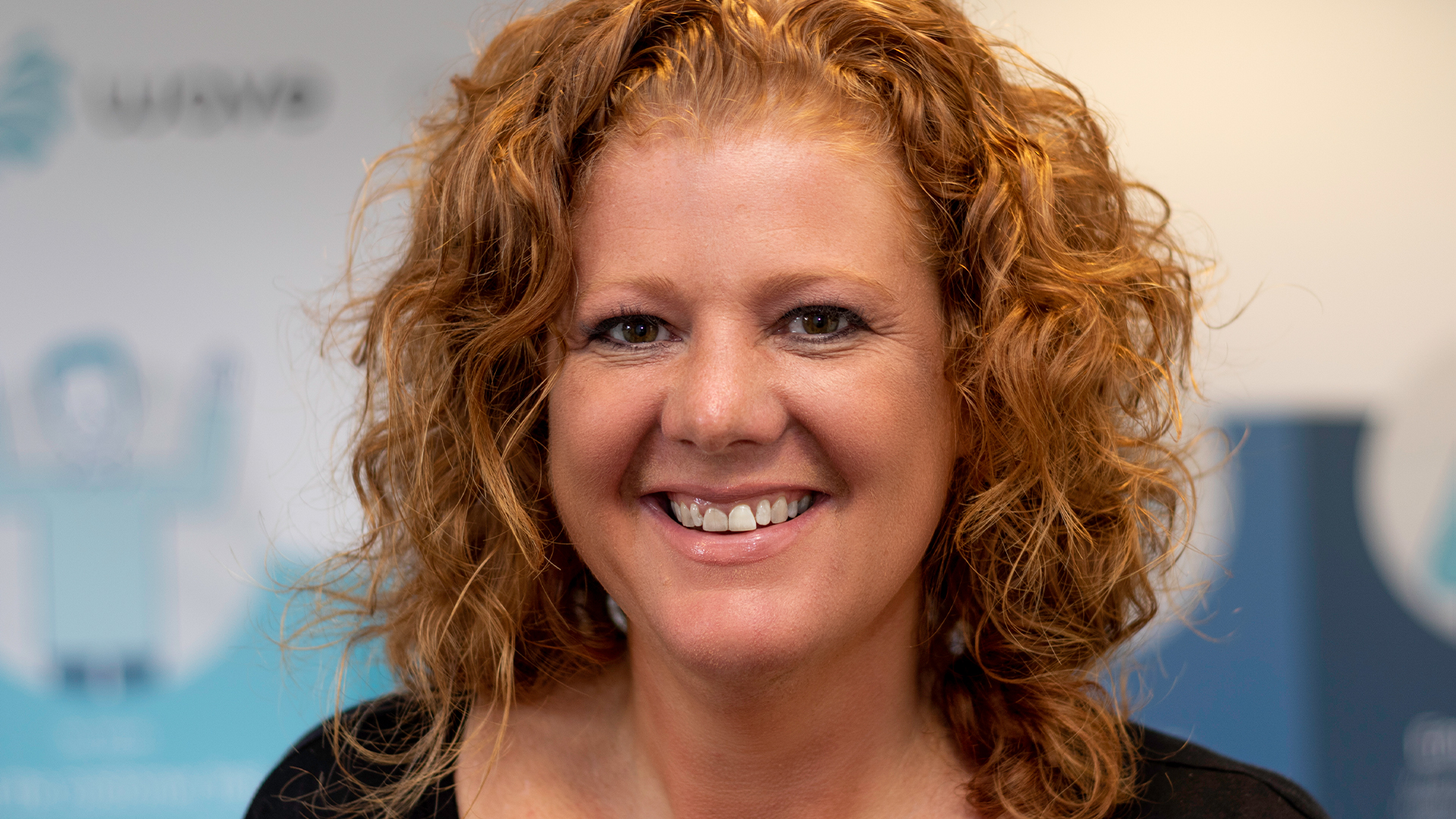
Lissa Wood, Director of SME Customers, Wave
For many UK SMEs, water is still treated as a background utility. Something that is expected to be there, used without much thought and paid for without scrutiny. Compared to energy prices, carbon reporting and supply chain pressures, water rarely makes it onto the risk register. But that is becoming an increasingly risky assumption.
Climate change is driving more frequent droughts and floods. Regional water scarcity is already limiting development. Long-term infrastructure investment is pushing costs upward. Combined, these factors mean that water resilience is fast becoming a business-critical issue. For SMEs, the challenge is not just environmental, it is operational, financial and strategic.
What does water resilience mean in practice?
Water resilience starts with some fundamental questions.
How important is water to your day-to-day operations? What would happen if supply was suddenly interrupted? Could your business continue trading, even for a short period, or would production, hygiene, safety or staff welfare be compromised?
Many businesses are surprised to learn that, in an emergency, wholesalers are not required to prioritise non-essential organisations. If supply is restricted, it is effectively the business’s problem to manage. That makes contingency planning essential. Businesses should understand how emergency water would be sourced, how it would be paid for (particularly out of hours), and ensure plans are accessible to anyone who may need to act.
Resilience is also about growth. If your business depends on water, can you expand without increasing consumption? And if water availability becomes constrained in your region, could that limit future plans?
Parts of the UK, such as Cambridgeshire, are already experiencing restrictions on growth because there simply isn’t enough supply. Without changes in how water is managed, those pressures are likely to spread.
Why water risk is still overlooked
Despite these realities, water often remains low on the priority list. Energy has dominated attention in recent years, driven by price volatility, smart metering and net zero targets. Water, by comparison, is relatively cheap and less visible, which can make it feel less urgent.
Many SMEs still view water as a low-cost utility rather than a strategic resource. In practice, that often means limited monitoring and poor visibility. Usage data is frequently based on infrequent meter reads or estimates. Businesses may only become aware of problems when an unusually high bill arrives.
There is also widespread confusion about responsibility. If a leak occurs within the pipework after water enters the premises, it is the business, not the wholesaler, that must fix it. The damage caused by internal leaks can be significant, and insurance policies often do not cover the full cost. Prevention therefore becomes a critical risk management issue.
Water data does not need to be complicated
One reason water is poorly managed is that the data has traditionally been difficult to access and interpret. Unlike energy, which benefits from widespread smart meters, water usage has historically relied on manual meter reads, often only mandated every six months.
That is beginning to change. Automated meter readers and smart water meters are becoming more widely available, offering better insight into how and when water is used. However, many SMEs are still at an early stage and unsure how to turn data into action.
Water data does not need to be complex. Even simple steps can make a difference:
- Know where your meter is
- Understand where water is used on site
- Ensure the meter is accessible to meter readers
- Take monthly meter reads yourself
- Tracking basic trends can help identify unusual usage before it becomes an issue.
Over the next five to ten years, water resilience is likely to become a defining factor in business continuity planning.
Household supply will always be prioritised. That means businesses in water-scarce areas could face restrictions during dry periods or heatwaves. For some sectors, this presents a real risk to both daily operations and long-term growth.
Water should be treated as a strategic asset. Managing it well protects operations, controls costs and supports sustainability goals. For most SMEs, the first step is simple: find the meter, take regular reads where safe to do so, and actively look for leaks and inefficiencies.
Water resilience is about being prepared, not reactive and the time to start is now.