



Many business owners focus first on the menu, staff and marketing. That makes sense, as a lot happens there every day. Yet there is often money to be found in tangible elements, such as tables, chairs, circulation routes, lighting and atmosphere. Guests sense within seconds whether your establishment feels right. They then subconsciously decide how long they will stay. They also decide more quickly what to order. That is precisely why the interior design of your hospitality business is more than just a matter of taste. It is a choice that influences turnover, costs and growth. Anyone who looks at this differently does not see individual pieces of furniture. They see an investment that must deliver every day.
The ROI of a well-thought-out hospitality interior
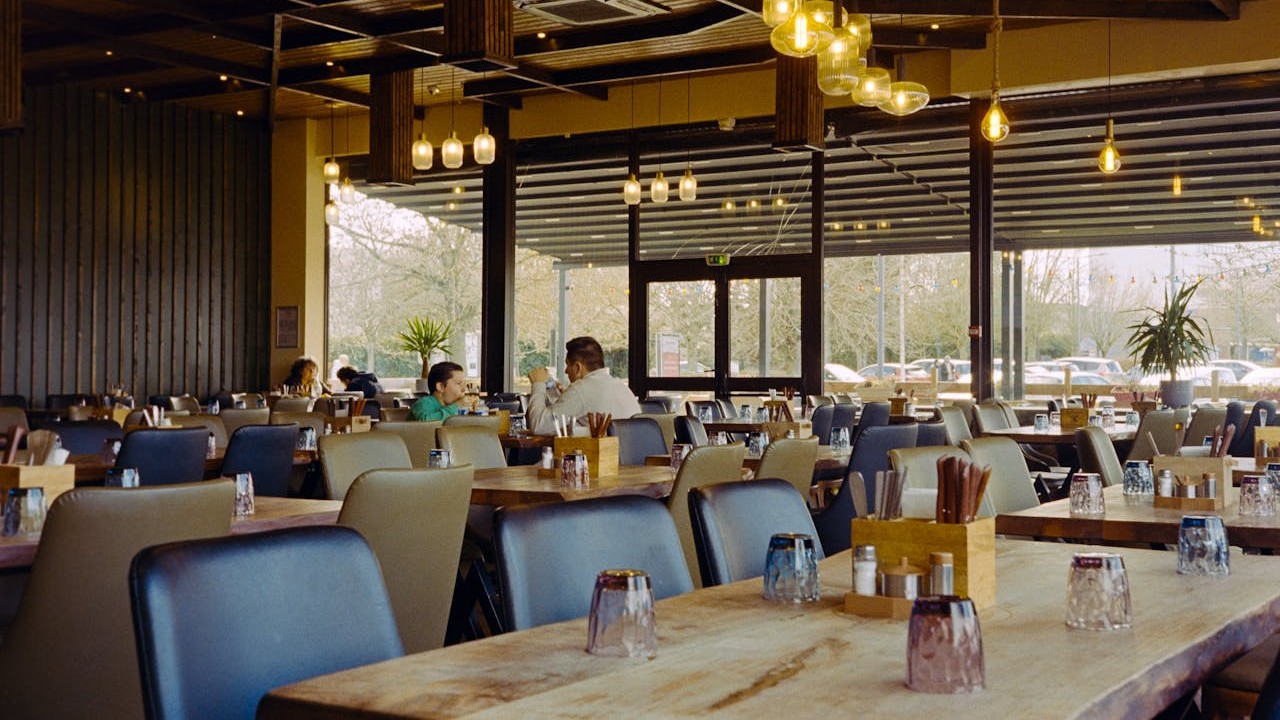
The interior design of your hospitality business has a direct impact on profitability. A chair is not just a chair, and a table is not just a place for plates. Together, they determine how many guests you can accommodate. They also determine how comfortable someone is. This results in differences in length of stay, order value and repeat visits. A well-designed establishment supports your concept without needing further explanation. Guests understand what you stand for more quickly. This makes your brand image stronger and more recognisable. Staff also work more efficiently in a logically laid-out space. Fewer unnecessary square metres saves time during busy periods. That is why interior design belongs in your financial planning. Not as the final item, but as part of your revenue model. Those who invest in quality think beyond opening day. Sometimes you just know when to modernise.
How physical business premises directly influence turnover and conversion
Your business is already selling before anyone sees the menu. The façade, entrance and first glimpse inside influence behaviour. A clear walking route makes ordering easier. A pleasant table layout reduces hesitation among new guests. A view of the bustling atmosphere can also help. A full establishment looks attractive, but shouldn’t feel cramped. That requires a balance between capacity and comfort. In the hospitality industry, conversion isn’t just about online bookings. It’s also about passers-by stepping inside. Then it’s about guests ordering something extra. The layout of your venue can influence those choices. Think of visible bar areas, smart lighting and quiet zones. This way, your space becomes an active salesperson.
Why the customer experience starts with your establishment’s design
The customer experience doesn’t just begin with table service. It starts the moment they walk in, with the scent, light and sound. Guests immediately sense whether a space feels right. They feel whether they are welcome. They see whether the venue is well-maintained. That feeling sets their expectations for the rest of their visit. A welcoming venue can encourage guests to stay longer. A practical layout prevents frustration when waiting or paying. Materials also play a significant role in the experience. Think of soft upholstery, sturdy tables and good acoustics. So, when you choose high-quality hospitality furniture, you’re not just choosing aesthetics. You’re also choosing comfort, durability and brand perception. This is reflected in reviews, repeat visits and word-of-mouth recommendations.
The hidden costs of a poorly designed hospitality venue
A poor layout may sometimes seem cheaper. In practice, however, it often ends up costing money. Staff have to walk too far, tables are not used efficiently, and guests sit uncomfortably or too close together. As a result, they stay for shorter periods than desired. Wear and tear can also prove costly. Cheap chairs need replacing sooner. Poor acoustics lead to complaints and tired staff. Light that is too bright makes a meal less enjoyable. Too little light hampers sales at the bar. These costs do not always appear separately on your profit and loss account. Yet you notice them in your margins, reviews and occupancy rates. A well-thought-out hospitality design prevents your space from slowly bleeding money away.
How smart investments in design boost profitability
Investing smartly doesn’t mean everything has to be expensive. It means that every choice serves a purpose. Choose furniture that suits the use, concept and target audience. A lunch spot has different seating requirements than a cocktail bar. A hotel restaurant, in turn, requires more flexibility. Also consider maintenance and replacement. Materials that are easy to clean save time. Modular furniture makes adjustments easier for groups or events. Lighting can support different times of day. During the day, you might want a fresh, open feel. In the evening, it can become warmer and more relaxed. In this way, the interior helps to make better use of revenue-generating moments. The design of your hospitality business then becomes a means of profit growth. This is a good example of how business owners are exploring new ways to manage surplus capital.
Why successful hospitality businesses view their fixed assets differently
Successful entrepreneurs do not view fixed assets as static possessions. They see tables, chairs, lighting and layout as working components. Every component must contribute to turnover, experience or efficiency. That requires measurement and adjustment. Which tables are chosen most quickly? Where do guests stay longer? Where do bottlenecks occur during peak times? Such questions make the layout concrete. You don’t need to replace everything straight away. Sometimes a different layout is enough to make a big difference. Sometimes a single improved seating area makes all the difference. It’s about looking at your business premises with a critical eye. That’s how an interior design plan becomes a financial strategy. It may not stand out on paper, but it will be visible in your results.