



UK ecommerce is one of the most competitive markets in the world. But the tools many businesses rely on to drive sales are quietly becoming less effective. Here is what is changing, and what smart retailers are doing about it.
UK ecommerce is booming — but the traffic is drying up
Britain is one of the biggest online shopping markets in Europe. UK consumers spend more per head on ecommerce than almost any other country, and the number of businesses selling online has grown sharply over the past few years. On paper, the opportunity has never been bigger.
In practice, reaching those shoppers is getting harder. The way people search for products online is changing in ways that are cutting into the traffic that ecommerce stores depend on.
Search engines are increasingly answering questions directly on the results page, without users ever clicking through to a website. AI-generated summaries now appear at the top of many searches, giving people what they need before they reach any retailer. And this trend is accelerating. In the near future, consumers may be able to complete purchases directly through a search engine, bypassing online stores entirely.
For UK businesses that have built their growth on organic search, this is a real threat. Fewer clicks means fewer visitors, regardless of how well your site ranks or how strong your product range is.
Paid advertising is no longer a simple fix
The obvious response is to shift budget into paid advertising. But that door is becoming more expensive to walk through too. Competition for ad space on Google and across social platforms has pushed costs up steadily for UK businesses, while average conversion rates across ecommerce have remained largely flat. Many SMEs are now spending more to acquire each visitor while seeing the same or smaller returns on that investment.
The uncomfortable truth is that most visitors leave without buying. Traffic is harder and more expensive to get, and the majority of it still clicks away. For businesses operating on tight margins, that equation does not add up for long.
The smarter move: convert the visitors you already have
If acquiring visitors is becoming harder and costlier, the smartest move is to focus on what happens once they arrive. This is the core idea behind an ecommerce conversion optimisation tool: rather than letting browsers quietly exit, you create opportunities to engage them at the right moment, offer something relevant, and guide them toward a purchase or a way to stay in touch.
For UK SMEs, this approach is particularly well suited to the current climate. It does not require a bigger ad budget or a larger team. It works with the traffic you are already paying for.
What a popup builder actually does for your store
One of the most effective features inside any conversion tool is a popup builder. The word popup has a bad reputation, largely because of the intrusive, poorly timed overlays of the early internet. Modern popup tools work very differently. They are triggered by visitor behaviour, shown at the right moment, and designed to feel relevant rather than disruptive.
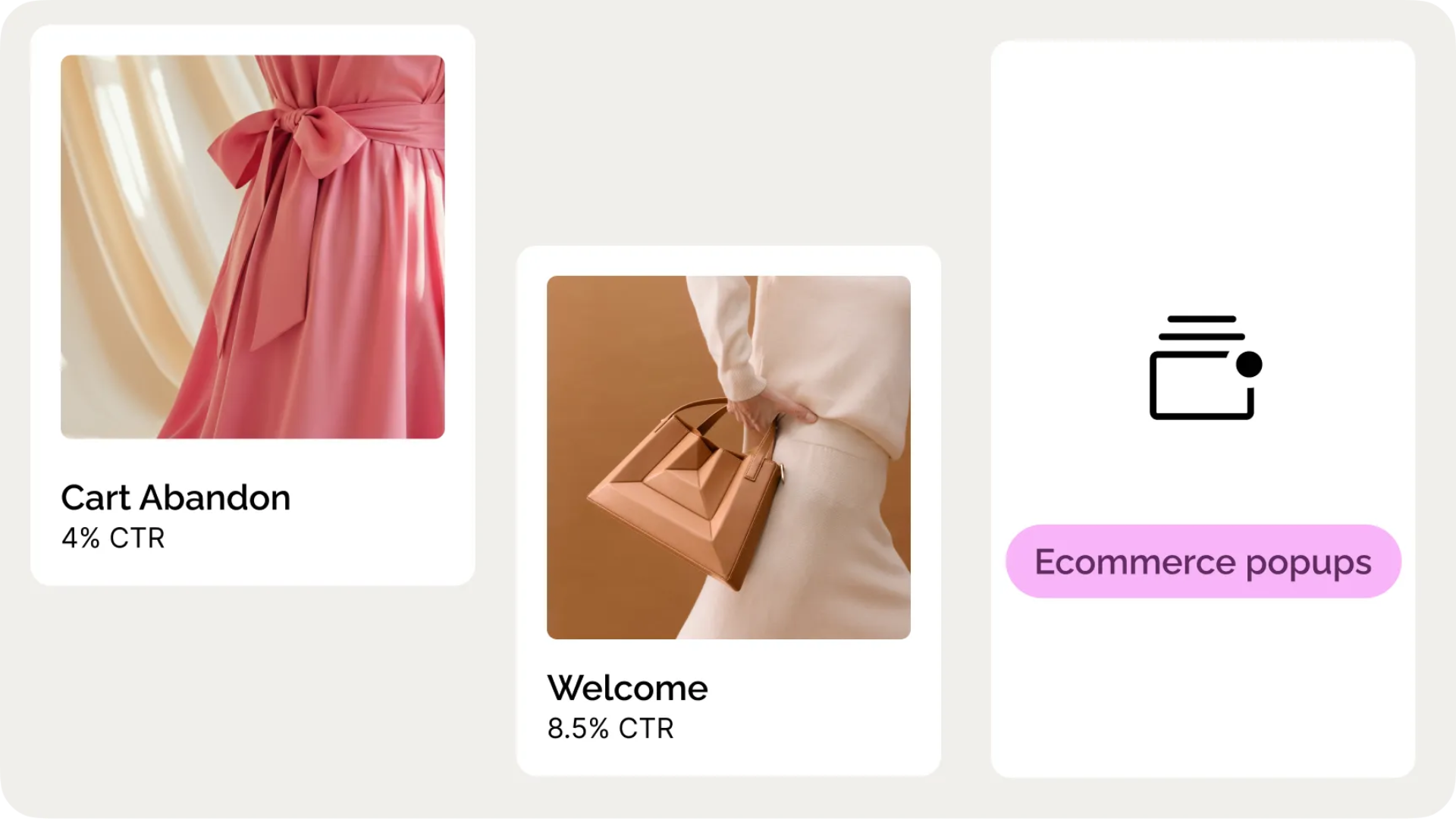
Wisepops, a leading popup and onsite engagement platform, gives businesses the flexibility to build exactly these kinds of campaigns without writing a single line of code. You can show a welcome discount to a first-time visitor browsing your best sellers, present an exit-intent offer to someone about to leave without buying, remind a shopper they are only a few pounds away from free delivery, or run a seasonal promotion around Black Friday or the January sales.
According to Wisepops’ own research, based on one billion popup displays, the average popup conversion rate across all industries is 4.82%. Ecommerce businesses perform above that average at 6.88%, and the top 10% of campaigns reach 57.7%.
For a store already receiving a few thousand visitors a month, even a modest improvement in on-site engagement translates directly into more sales and a stronger customer list.
What to look for in a conversion tool
For UK SMEs, the most practical options are those that integrate cleanly with the platforms you already use, such as Shopify, WooCommerce, or WordPress, and do not require a developer to set up. Look for a tool that lets you target campaigns by visitor behaviour, traffic source, and the specific page someone is on. A visitor arriving from a paid ad should see a different message to someone who found you organically. That level of personalisation is no longer reserved for large retailers with big technology budgets.
The bottom line
UK ecommerce is getting more competitive at exactly the moment that reaching new customers is getting harder and more expensive. Businesses that focus on converting the visitors they already have, rather than simply chasing more traffic, are better placed to grow sustainably through whatever comes next.
Getting started does not require a large investment or a technical team. It requires the right tool, a clear understanding of your customers, and a willingness to test and improve over time.