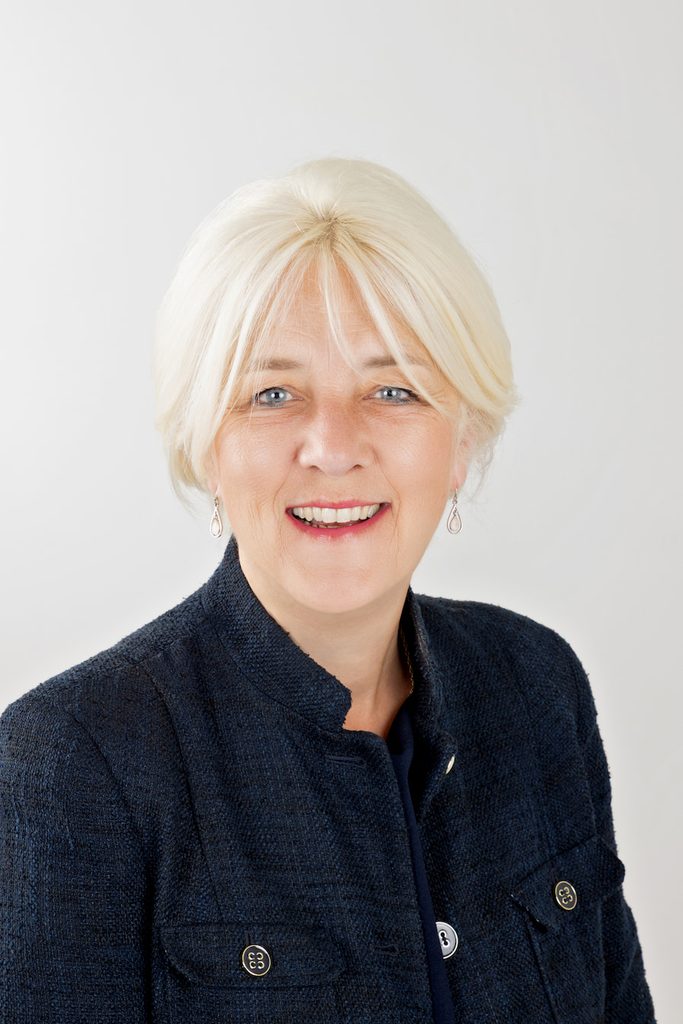





By Julia Payne, founder of Fractional CMO
So, you’ve just rung the bell on your first million. Congrats!
After a series of long days, difficult decisions, and wondering if anyone would actually buy what you’re building, you finally have proof that your business works. Customers are coming in and money is flowing, perhaps suggesting you’re ready for the next stage of growth. But are you?
Why growth gets harder
Most founders fall into the trap of believing that, after the first £1m, the hard part is over – when the truth is, this is where things start to get difficult.
It may seem paradoxical at first. If customers are already buying, surely doing more of the same thing should generate more growth? Not necessarily.
More often than not, the strategies that got you where you are today won’t take you where you want to be tomorrow, because growing from £1m to £3m, £5m, or even the next £10m requires a very different approach.
The founder bottleneck
Early success is often driven by the extraordinary effort founders put into getting the business off the ground. They:
- Win the biggest contracts;
- Manage key relationships personally;
- Spot problems before anyone else notices;
- Approve every important decision;
- Adapt the message depending on who they’re speaking to;
- Hold teams together when things get difficult.
This level of involvement is often a major competitive advantage in the early stages. But the habits that help a business reach its first million can become the very things that prevent it from scaling.
One person can only stretch so far. As the business grows, decisions slow down, teams wait for direction and problems accumulate. Eventually, the founder becomes the bottleneck, limiting the speed at which the business can grow.
Why hiring won’t help
Hiring more people should, in theory, solve the problem. More capacity means more output.
But unless co-ordination improves, adding headcount alone won’t create scale. Teams become busier, producing more content, running more campaigns, buying more tools, making more calls and holding more meetings. Yet little changes because key decisions, priorities and relationships still depend on the founder.
The issue isn’t a lack of effort. It’s that the operating model that supported the first £1m is no longer strong enough to support the next stage of growth.
Over time, the founder becomes a bottleneck, not because they’re doing anything wrong, but because too much still relies on one person.
The next step is not simply hiring more people. It’s building a business that can carry more weight.
Building a business that works without you
To keep growing, businesses need to move beyond relying on individual effort and start building the systems, processes and ways of working that make success repeatable.
These do not have to be complicated. They might include:
- A clear explanation of why customers choose you;
- A shared understanding of what a good sales opportunity looks like;
- Better visibility into where revenue and your best customers come from;
- Aligned teams that can make decisions together and operate as a single revenue engine.
The goal is not to remove the founder from the business. It is to build a business that can continue to grow without depending on the founder being involved in every decision, relationship and problem.
Making success repeatable
These practices also help to turn existing momentum into predictable results.
Bringing in more customers may have helped you make your first million, but endlessly chasing new audiences alone is unlikely to take you to scale. To grow further, you need to focus on increasing customer loyalty, encouraging repeat purchases and expanding the value of existing relationships.
Perhaps you could simplify the buying process to make decisions easier. Or introduce customers to additional services they may not realise you offer.
Amazon is a classic example. One of its biggest growth advantages came from increasing the value of existing customer relationships through initiatives such as Prime, personalised recommendations and an ecosystem of connected products and services, including Alexa. Growth was driven less by constantly finding new customers and more by encouraging existing ones to buy more often, stay longer and become more deeply embedded in the Amazon ecosystem.
The final hurdle
Removing friction between internal teams matters too. Customers need to feel they are dealing with one joined-up business, not separate departments pulling in different directions.
That means marketing, sales and customer teams sharing information, working towards common goals and building on each other’s efforts. Growth happens when each function strengthens the customer relationship, rather than operating in isolation.
One direction
Businesses that keep growing beyond the first million rarely succeed by doing more. They succeed by doing the right things consistently.
They make it easier for customers to buy, build stronger relationships, improve visibility and create teams that can execute without relying on a founder to carry the business forward.
The first million proves customers want what you’ve built. The next proves the business can grow beyond you. That’s where real scale begins.